Cracking the UK Tax Code: Why Every Expat Needs a Pro Tax Planner in Their Corner

So, you’ve made the leap. You’ve packed your bags, survived the visa paperwork, and now you’re finally settling into life in the UK. Whether you’re sipping tea in a rainy London cafe or exploring the hills of Scotland, life as an expat is an adventure. But then, reality hits: the UK tax system. If you thought your home country’s tax laws were a headache, wait until you meet HMRC (Her Majesty’s Revenue and Customs—well, His Majesty’s now, but old habits die hard).
Let’s be real: tax planning isn’t exactly the most exciting part of your expat journey. It’s not as fun as finding the perfect pub or planning a weekend getaway to the Cotswolds. But ignoring it? That’s a recipe for a financial hangover that no amount of English breakfast tea can cure. This is where professional tax planning services for expats come in, and quite frankly, they’re a total game-changer.




The ‘Statutory Residence Test’ is a Maze
One of the biggest traps expats fall into is assuming that if they aren’t in the UK for 183 days, they aren’t a tax resident. Wrong. The UK uses something called the Statutory Residence Test (SRT). It’s a complex web of ‘ties’—like whether you have a home here, if your family is here, or if you’re working more than a certain number of hours. You could be considered a tax resident much sooner than you think.

A professional tax planner doesn’t just guess; they analyze your specific situation to tell you exactly where you stand. They ensure you don’t accidentally trigger residency and get hit with a bill for your global income when you weren’t expecting it.
The ‘Non-Dom’ Dilemma and the Remittance Basis
If you’ve been reading the UK news, you’ve probably heard the term ‘Non-Dom’ (Non-Domiciled). This is a huge deal for expats. Essentially, if your ‘permanent’ home is outside the UK, you might be able to claim non-dom status. This allows you to potentially avoid paying UK tax on your foreign income and gains—as long as you don’t bring that money into the UK.
Sounds simple, right? It isn’t. The rules for what counts as ‘remitting’ money are incredibly strict. If you use a credit card paid for by offshore funds to buy a sandwich in London, you might have just ‘remitted’ money in the eyes of HMRC. A tax planning service will help you structure your bank accounts so you don’t accidentally poison your ‘clean capital’ with taxable income.
Avoiding the Double Taxation Trap
Nobody likes paying taxes. Paying them twice? That’s just painful. If you have rental property in your home country, or if you’re still receiving dividends from a business back home, you might be liable for tax in both countries.
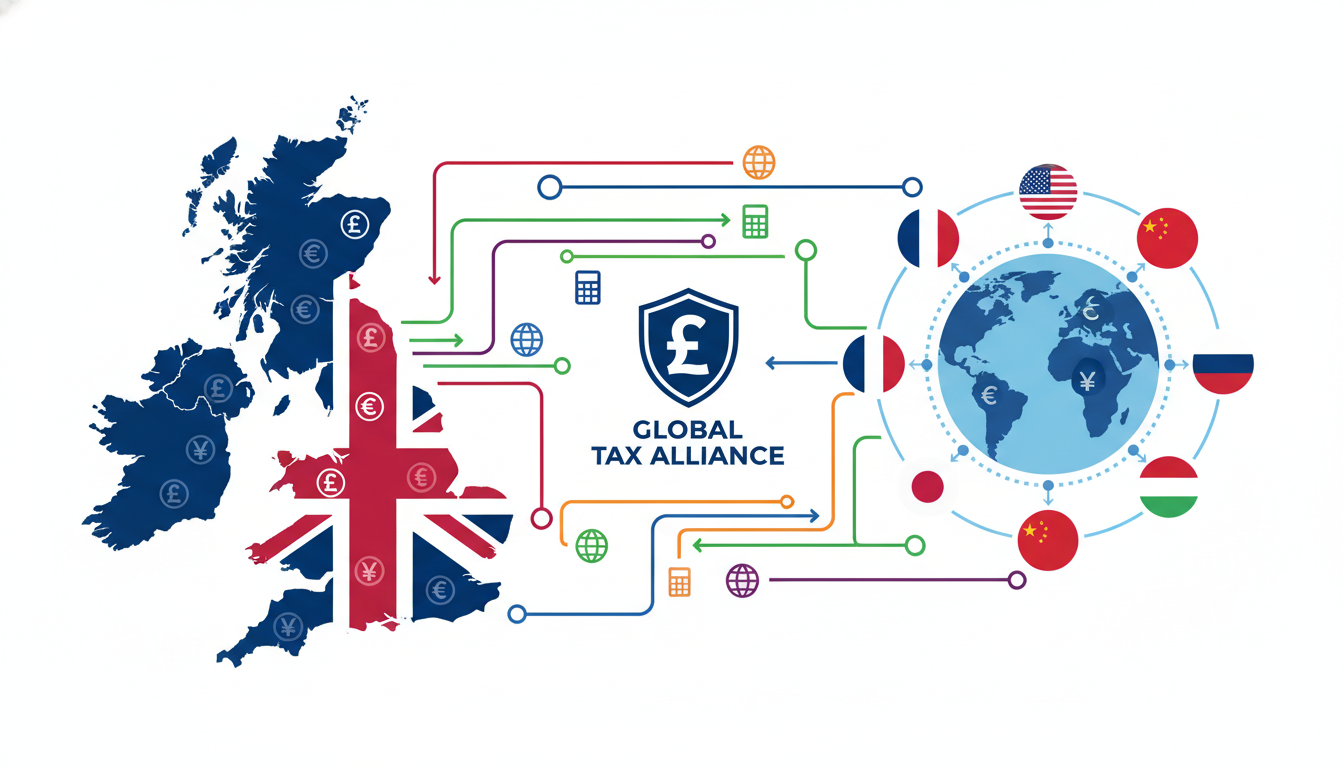
The UK has Double Taxation Agreements (DTAs) with dozens of countries. These are designed to ensure you only pay the difference or get a credit for tax paid elsewhere. However, claiming these credits requires precise paperwork and a deep understanding of treaty law. Tax planners for expats specialize in these cross-border scenarios, making sure you keep as much of your hard-earned cash as possible.
Pensions, Investments, and ISA Magic
Are you contributing to a 401(k), an IRA, or an Australian Superannuation? How does that interact with the UK system? Can you use a UK ISA (Individual Savings Account) to grow your money tax-free?
Expats often miss out on massive tax-saving opportunities simply because they don’t know the local ‘hacks.’ For instance, contributing to a UK pension can significantly reduce your taxable income. But if you’re a US citizen, certain UK investments (like ISA stocks and shares) can trigger nasty US tax penalties (look up ‘PFIC’ if you want a real scare). You need a planner who understands the bridge between the UK and your home country’s specific requirements.
Peace of Mind is the Real Luxury
Let’s be honest: HMRC is not known for its sense of humor. Mistakes on your self-assessment can lead to hefty fines, interest charges, and even audits. As an expat, your situation is already ‘high risk’ in their eyes because it involves foreign elements.

When you hire a tax planning service, you aren’t just paying for calculations; you’re paying for a shield. You get the peace of mind knowing that your filings are accurate, your strategy is optimized, and you are fully compliant with the law. It allows you to focus on why you moved to the UK in the first place—whether that’s for a high-flying career or just to enjoy the British culture.
Don’t Wait Until April
The biggest mistake you can make is waiting until the end of the tax year (April 5th in the UK) to think about this. Tax planning is proactive, not reactive. Once the clock strikes midnight on April 5th, most of the strategies you could have used to save money are gone.
Investing in professional tax planning services is exactly that—an investment. The amount you save in avoided penalties and optimized tax structures usually far outweighs the fee of the advisor. Plus, you get to sleep at night.
So, if you’re an expat in the UK, do yourself a favor. Stop Googling ‘UK tax rules’ and getting lost in 40-page PDF manuals. Find a specialist, get a plan in place, and go back to enjoying your life in the UK. You’ve earned it!