UK Company Formation: Your Golden Ticket to Global Business Success

Ever dreamt of running a global business while sipping a latte in Bali, or perhaps from your home office in Jakarta or New York? Well, quit dreaming and start doing! The United Kingdom isn’t just about rainy days, Big Ben, and the Premier League; it’s one of the most entrepreneur-friendly spots on the planet. And here’s the kicker: you don’t even have to live there to own a piece of the pie. If you’re a foreign entrepreneur looking to level up, forming a UK company is your ultimate ‘cheat code.’
Why the UK? (The ‘Cool Factor’ and More)
Let’s be real—having ‘Limited’ or ‘LTD’ at the end of your business name gives you instant street cred. It screams professionalism. But beyond the prestige, the UK offers a business environment that is incredibly lean and mean. Setting up a company there is faster than getting a tailored suit on Savile Row. We’re talking about 24 to 48 hours in most cases!

Moreover, the UK has one of the lowest corporation tax rates in the G20. Plus, with a massive network of double-taxation treaties, you won’t be paying the taxman twice on the same pound. It’s a gateway to the European and global markets, even in the post-Brexit era. The fintech ecosystem in London is second to none, making it the perfect place if you’re into tech, e-commerce, or consulting.
The ‘Secret Sauce’ to Getting Started
First off, you need to choose your business structure. Most foreign entrepreneurs go for a Private Limited Company (LTD). Why? Because your personal assets are protected. If the business goes south (knock on wood), your personal bank account stays safe.
Here’s what you need to have ready:
1. A Unique Name: You can’t call your shop ‘Apple’ or ‘The Queen’s Grocery.’ It has to be unique and not ‘too similar’ to existing names.
2. A UK Registered Office Address: This is a big one. Even if you live in Timbuktu, your company needs a physical address in the UK for official mail. Don’t worry, you don’t need to rent an expensive office in Mayfair; there are plenty of ‘virtual office’ services that provide this for a small annual fee.
3. Directors and Shareholders: You can be the sole director and the sole shareholder. Total control? Yes, please!
Navigating the Paperwork (The Easy Way)
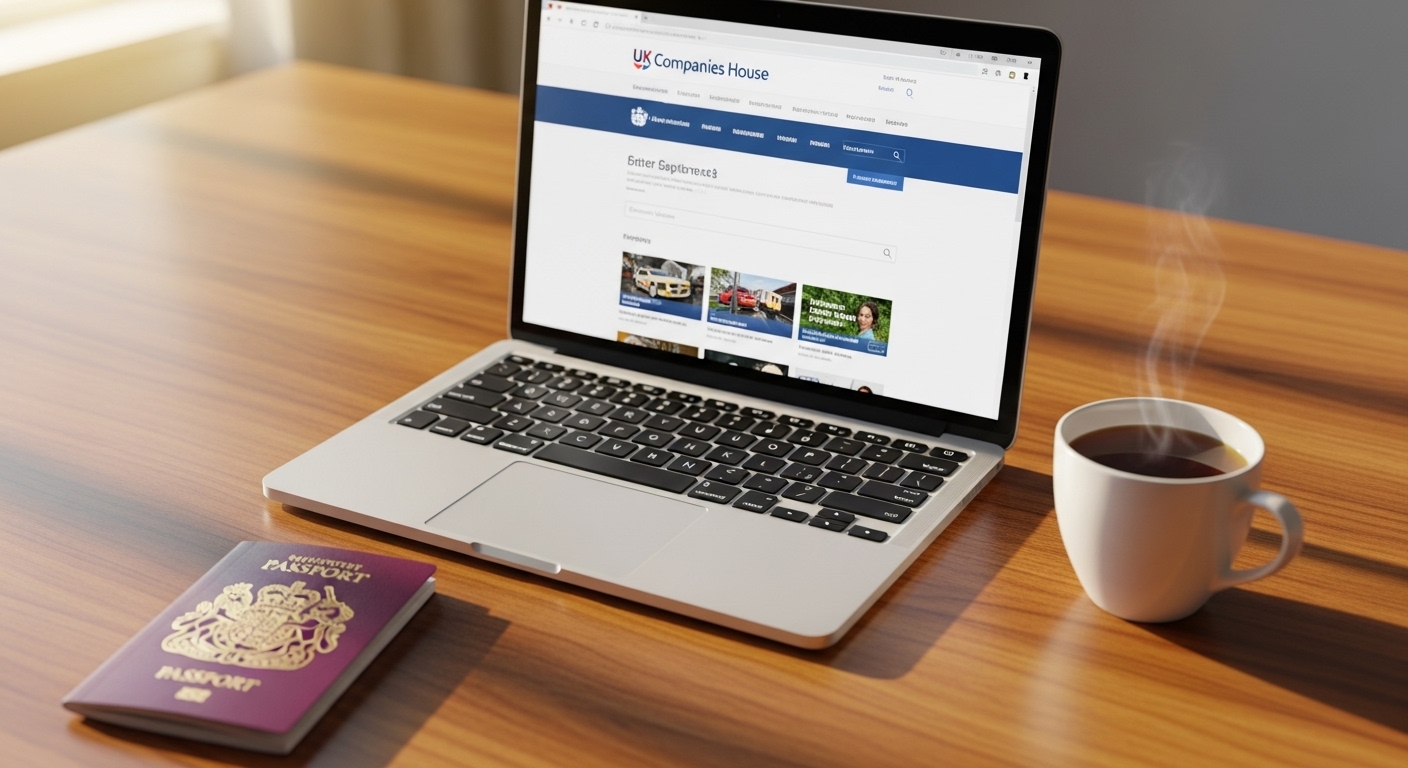
In many countries, starting a company involves months of bureaucracy, blood, sweat, and many, many stamps. In the UK? It’s almost entirely digital. You’ll be dealing with Companies House, the UK’s registrar of companies.
You’ll need to provide your ‘Articles of Association’ (the rules on how the company is run) and a ‘Memorandum of Association’ (the agreement to create the company). If you use a formation agent—which I highly recommend—they’ll handle these templates for you. It’s literally a ‘fill-in-the-blanks’ situation.
You also need to identify your PSC (Persons with Significant Control). This is just a fancy way of telling the government who actually pulls the strings. Since that’s probably you, it’s a quick form to fill out.
The Big Hurdle: Business Banking
I’m going to be honest with you: opening a traditional ‘High Street’ bank account (like Barclays or HSBC) as a non-resident can be a bit of a headache. They often want you to fly in for an interview, and who has time for that?

Thankfully, we live in the age of Fintech. Platforms like Wise, Revolut Business, and Airwallex are lifesavers. They allow you to get a UK sort code and account number without ever stepping foot on British soil. These accounts integrate perfectly with Xero or QuickBooks, making your accounting a breeze.
Taxes: Don’t Panic!
Yes, you have to pay taxes. But it’s not as scary as it sounds.
- Corporation Tax: You pay this on your profits. You’ll need to register with HMRC (Her Majesty’s Revenue and Customs—though technically it’s His Majesty now!) within three months of starting business.
- VAT (Value Added Tax): You only need to register for this if your turnover exceeds £90,000. However, many entrepreneurs register voluntarily because it makes them look ‘bigger’ and allows them to reclaim VAT on business expenses.
- Annual Confirmation Statement: Once a year, you just tell Companies House, “Hey, we’re still here, and our details haven’t changed.” It takes five minutes.
Is It Worth It?
Absolutely. By forming a UK company, you’re not just starting a business; you’re building an international brand. You get access to world-class payment gateways like Stripe and PayPal, which might be restricted in your home country. You gain the trust of global clients who feel more comfortable paying a UK entity.
So, what are you waiting for? The barrier to entry has never been lower. Whether you’re selling SaaS, dropshipping, or providing high-end consulting services, the UK is open for business. Grab your virtual seat at the table and let’s get that company registered!
Your future self—the one running a successful international empire—will thank you.